At Linthread, we’ve spent years studying summer fabrics, weaving techniques, and how different materials perform in real life—not just in theory. One question continues to surface among readers and shoppers alike: Linen Shirts vs Linen Blend — which is truly better? If you’ve ever stood in front of a clothing rack wondering whether to choose 100% linen shirts or linen blend shirts, you’re not alone. Both options promise breathability, comfort, and effortless summer style, yet they behave very differently once worn, washed, and lived in.
This guide is designed to help you make a confident, informed decision. We’ll break down everything from fabric composition and breathability to wrinkles, durability, sustainability, price, and everyday usability. By the end, you’ll understand not only the difference between pure linen vs linen blend, but also which fabric aligns best with your climate, lifestyle, and personal style.
What Are 100% Linen Shirts?

100% linen shirts are widely recognized as one of the most breathable and summer-friendly garments available today. To truly understand why they perform so well in hot weather, it’s essential to look closely at their fabric composition, fiber structure, and natural behavior over time.
Fabric Composition and Natural Linen Fibers
100% linen shirts are made exclusively from flax fibers, a natural, plant-based material that has been used in textile production for thousands of years. Unlike linen blend fabrics, pure linen contains no added cotton, polyester, rayon, or viscose, meaning its performance is not altered by synthetic or secondary fibers.
This single-fiber composition plays a crucial role in defining linen’s signature qualities. Flax fibers are naturally hollow and loosely structured, allowing air to pass through the fabric with minimal resistance. As a result, linen promotes continuous airflow, making it one of the most effective materials for heat dissipation and temperature regulation.
Because of this structure, linen has long been regarded as one of the best fabrics for hot and humid climates, and it continues to serve as a foundation for high-quality breathable summer clothing.
Key Characteristics of Pure Linen Shirts
Pure linen shirts are easy to identify, not only visually but also through how they feel and perform when worn. Their defining characteristics include:
- Exceptional breathability and natural airflow, even in extreme heat
- A lightweight, cooling sensation against the skin
- Strong moisture-wicking properties that help keep the body dry
- A distinctive, organic texture with visible slubs and irregularities
- A natural tendency to wrinkle easily
Wrinkling is often misunderstood as a flaw. In reality, it is a direct result of linen’s rigid flax fibers and low elasticity. Rather than indicating poor quality, these wrinkles reflect the fabric’s authentic structure and relaxed nature, which many consider an essential part of linen’s aesthetic appeal.
Why People Choose 100% Linen Shirts?
Pure linen shirts are typically chosen by those who prioritize comfort, breathability, and natural materials over perfectly smooth finishes. They are especially favored in environments where heat and humidity are constant factors.
Common reasons people choose 100% linen shirts include:
- Maximum comfort in hot, humid, or tropical climates
- Preference for natural and eco-friendly fabrics
- Appreciation for a relaxed, effortless, and organic look
- Long-term fabric performance that improves with wear
Over time, high-quality linen softens noticeably without losing its structural strength. With proper care, the fabric becomes more comfortable while maintaining durability, which is why pure linen remains a staple in premium summer shirts and resort wear collections.
100% linen shirts are not designed to look perfect—they are designed to perform exceptionally well where comfort and breathability matter most.
What Are Linen Blend Shirts?
Linen blend shirts are designed to balance linen’s natural breathability with improved structure, durability, and ease of care. By combining linen with other fibers, manufacturers can tailor how the fabric looks, feels, and performs in everyday wear, making linen blends a practical alternative to pure linen.
Common Types of Linen Blend Fabrics
Linen blend shirts typically mix linen with one or more fibers to enhance specific qualities. The most common linen blend fabrics include:
- Linen-cotton blend: Softens the fabric, reduces stiffness, and improves comfort while maintaining decent breathability. This blend is often chosen for everyday summer shirts.
- Linen-viscose or linen-rayon blend: Enhances drape and smoothness, creating a more fluid appearance that works well for tailored or refined styles.
- Linen-polyester blend: Increases wrinkle resistance, durability, and shape retention, making the fabric easier to care for and more suitable for frequent wear.
Each blend behaves differently because the added fibers directly influence airflow, texture, and maintenance requirements.
How Linen Blends Change Fabric Performance?
Blending linen modifies its natural properties in noticeable ways. Compared to 100% linen shirts, linen blend shirts typically offer:
- Improved wrinkle resistance, reducing the need for frequent ironing
- Better shape retention, especially after washing
- A smoother, more structured finish that holds its form throughout the day
- Easier washing and faster drying, ideal for busy lifestyles
These benefits, however, come with trade-offs. As additional fibers—particularly synthetic ones—are introduced, airflow and breathability are reduced. While linen blends still perform better than many non-linen fabrics, they generally do not match the cooling efficiency of pure linen in hot or humid conditions.
Why Linen Blend Shirts Are Popular?
Linen blend shirts appeal to a wide audience because they offer a balance between comfort and practicality. They are often chosen by those who prioritize convenience and versatility over maximum breathability.
- Low-maintenance, easy-care performance
- A more polished and refined appearance, suitable for professional settings
- More affordable pricing compared to pure linen shirts
- Flexibility for daily wear, work environments, and travel
As a result, linen blends are especially common in office-appropriate summer shirts, smart-casual wardrobes, and travel-friendly clothing where appearance and ease of care are equally important. Linen blend shirts are engineered for adaptability, offering a controlled, structured alternative to the natural unpredictability of pure linen.
Linen Shirts vs Linen Blend: Fabric Comparison Table
| Comparison Factor | 100% Linen Shirts | Linen Blend Shirts |
|---|---|---|
| Breathability & Airflow | Exceptional airflow thanks to loose weave and hollow flax fibers. Ideal for extreme heat and humidity. | Moderate breathability depending on blend. Cotton blends perform better than polyester blends. |
| Cooling Performance | Excellent heat regulation, keeps the body cool even in tropical climates. | Adequate for warm weather, but less effective in high humidity. |
| Wrinkles | Wrinkles very easily due to low fiber elasticity. Natural creases are part of the fabric’s character. | More wrinkle-resistant, especially blends with polyester or viscose. |
| Maintenance & Care | Requires more care and occasional ironing. Less travel-friendly. | Easier to maintain, holds shape longer, and needs less ironing. |
| Comfort Over Time | Feels crisp initially, then softens significantly with wear and washing. | Feels smoother immediately; comfort depends on blend composition. |
| Moisture Management | Strong moisture-wicking, reduces sticky feeling in hot weather. | Decent moisture control, though less effective than pure linen. |
| Durability & Longevity | Highly durable; fibers strengthen when wet and resist pilling over time. | Durability varies by blend. Polyester blends resist wear but may trap odors. |
| Overall Performance | Best for breathability, cooling, and natural summer comfort. | Best for structure, ease of care, and everyday versatility. |
100% linen shirts prioritize natural performance and cooling, while linen blend shirts focus on practicality and structure. The better option depends on whether breathability or low maintenance matters more in daily wear.
Appearance, Fit, and Style Differences
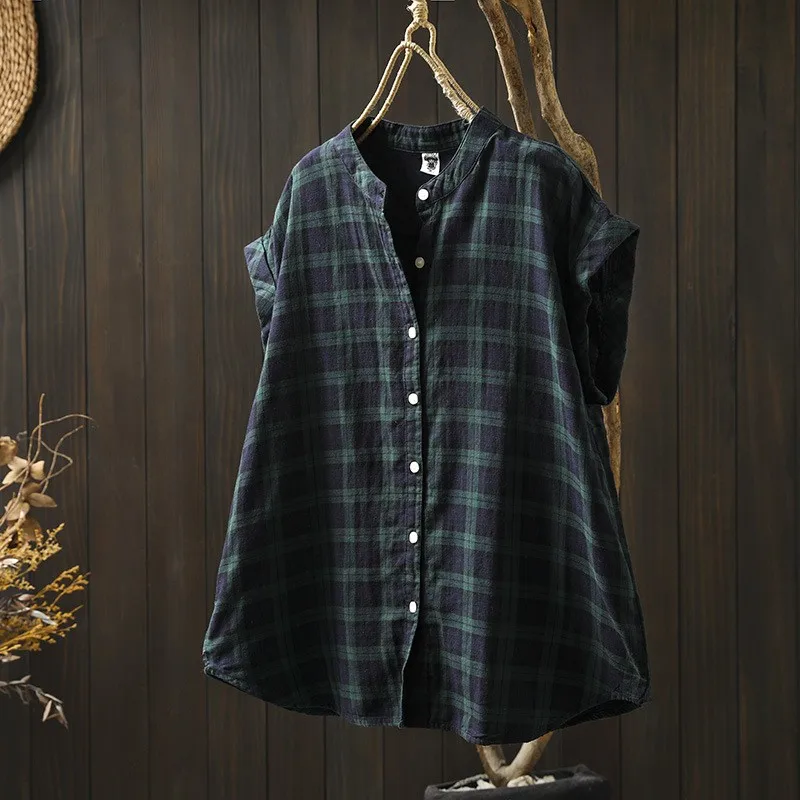
Beyond comfort and performance, the visual impact of linen shirts versus linen blend shirts plays a major role in how they are worn and perceived. Differences in drape, structure, and overall finish directly influence fit, styling flexibility, and suitability for various occasions.
Drape and Silhouette
Pure linen naturally drapes loosely due to the rigidity and low elasticity of flax fibers. This creates a relaxed silhouette that moves freely with the body rather than clinging to it. As a result, 100% linen shirts work particularly well in oversized, boxy, or casual fits, where airflow and ease of movement are prioritized.
Linen blend fabrics, on the other hand, tend to drape more predictably and evenly. Added fibers help the fabric hold its shape, resulting in a cleaner outline and more consistent structure throughout the day. This makes linen blend shirts better suited for tailored cuts, slim silhouettes, and refined styling.
Casual vs Polished Look
Pure linen is closely associated with an effortless summer aesthetic. Its natural wrinkles, textured surface, and airy feel create a look that is intentionally relaxed and slightly imperfect. This quality enhances its appeal in laid-back settings, warm climates, and informal environments.
Linen blends lean more toward smart-casual and semi-formal styling. With fewer wrinkles and a smoother finish, they present a neater appearance that aligns better with professional settings or occasions where a polished look is expected without sacrificing comfort.
Styling Linen Shirts for Different Occasions
The choice between pure linen and linen blends often comes down to where and how the shirt will be worn:
- Casual and beachwear: 100% linen shirts offer maximum breathability and a relaxed visual appeal
- Office and smart-casual settings: Linen blend shirts provide structure and a cleaner finish
- Vacation and travel: The ideal option depends on climate conditions and preferred maintenance level
Pure linen excels when comfort and natural style take priority, while linen blends offer greater control over appearance and fit across a wider range of everyday situations.
Sustainability and Environmental Impact
Sustainability has become a key consideration when choosing summer fabrics. Comparing 100% linen shirts with linen blend shirts reveals clear differences in environmental impact, largely driven by fiber origin, production methods, and end-of-life behavior.
Is 100% Linen More Sustainable?
Yes. 100% linen is widely regarded as one of the most eco-friendly textile materials available. Linen is derived from flax, a resilient plant that typically requires minimal water, often relying solely on natural rainfall rather than intensive irrigation systems. In addition, flax cultivation generally involves fewer pesticides and fertilizers compared to many other fiber crops.
From a lifecycle perspective, pure linen offers strong sustainability advantages. It is fully biodegradable, long-lasting, and capable of maintaining performance over many years of wear. This durability reduces the need for frequent replacement, helping to lower overall consumption and waste. For environmentally conscious buyers, pure linen aligns well with principles of low-impact and slow fashion.
Sustainability of Linen Blend Fabrics
The sustainability profile of linen blend fabrics depends largely on the fibers used in the blend. When natural fibers such as cotton are added, the environmental impact increases modestly but remains relatively manageable. However, blends that include synthetic fibers like polyester or rayon significantly reduce biodegradability and raise concerns around microplastic shedding and long-term waste.
That said, linen blends can offer indirect sustainability benefits in certain cases. Improved durability, wrinkle resistance, and shape retention may extend a garment’s usable lifespan, potentially reducing replacement frequency. This creates a trade-off between material purity and practical longevity.
Overall, pure linen offers the strongest environmental credentials, while linen blends represent a compromise between sustainability and performance-driven convenience.
Price, Value, and Cost Comparison
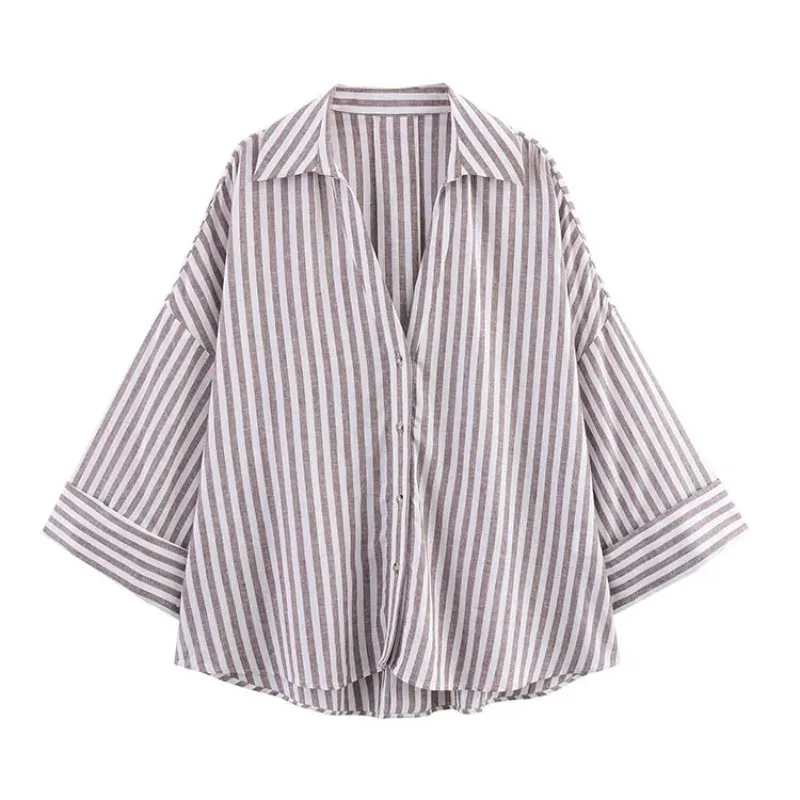
Price is often one of the final deciding factors when choosing between 100% linen shirts and linen blend shirts. While the upfront cost differs, true value should be assessed through long-term wear, durability, and overall versatility.
Pure linen shirts typically sit at a higher price point, largely due to the quality of flax fibers, lower fabric yields, and more complex production processes. However, this initial investment is often offset by long-term value. High-quality linen maintains its strength over time, ages gracefully, and remains stylistically relevant season after season, making it a cost-effective choice for those who prioritize longevity.
Linen blend shirts are generally more affordable and accessible, benefiting from easier manufacturing and lower material costs. This makes them appealing for everyday rotation, seasonal updates, and shoppers seeking functional summer shirts without a premium price tag.
Pros and Cons: Linen Shirts vs Linen Blend
A clear comparison of advantages and limitations helps clarify which fabric aligns best with different needs and expectations.
Pros and Cons of 100% Linen Shirts
Pros: 100% linen shirts stand out for their exceptional breathability and natural airflow, making them one of the most comfortable options for hot and humid conditions. Being made entirely from natural flax fibers, they are fully biodegradable and align well with environmentally responsible fashion choices. Over time, pure linen continues to soften with wear and washing, enhancing comfort without compromising fabric strength, which adds to its long-term value and appeal.
Cons: The main drawbacks of 100% linen shirts stem from the inherent properties of flax fibers. The fabric is naturally wrinkle-prone, requiring acceptance of a relaxed look or more frequent ironing. In addition, pure linen demands more attentive care to maintain its appearance and longevity. These factors, combined with a higher upfront cost, can make 100% linen less practical for those seeking low-maintenance or budget-focused options.
Pros and Cons of Linen Blend Shirts
Pros: Linen blend shirts are appreciated for their practical advantages in daily wear. The added fibers improve wrinkle resistance, allowing the fabric to maintain a cleaner and more structured appearance throughout the day. They also require less intensive care, making washing and ironing easier compared to pure linen. Combined with a generally more affordable price point, these benefits make linen blend shirts a convenient and accessible option for work settings, travel, and everyday use.
Cons: Despite their convenience, linen blend shirts come with clear trade-offs. Breathability is reduced compared to 100% linen, particularly in blends that include synthetic fibers. From a sustainability perspective, these fabrics are less eco-friendly, as synthetic components reduce biodegradability and increase environmental impact. In addition, depending on blend ratios and fabric quality, linen blend shirts may have a shorter lifespan over time, especially with frequent wear and washing.
Pure linen excels in performance and sustainability, while linen blends prioritize practicality, structure, and affordability—each serving distinct wardrobe needs.
Which Is Better for You? A Practical Decision Guide
Choosing between 100% linen shirts and linen blend shirts ultimately depends on climate, lifestyle, and expectations around comfort, appearance, and maintenance. Understanding how each fabric performs in real-life conditions helps narrow down the most suitable option.
- Choose 100% Linen Shirts If: 100% linen shirts are best suited for environments where heat management and airflow are non-negotiable. They perform exceptionally well in hot or humid climates, where breathability directly impacts comfort throughout the day. These shirts are ideal for those who prioritize natural cooling, moisture control, and fabric performance over visual perfection. A willingness to embrace natural wrinkles as part of linen’s character further enhances the wearing experience.
- Choose Linen Blend Shirts If: Linen blend shirts are a more practical choice when ease of care and appearance consistency matter most. Their improved wrinkle resistance and structured finish make them well-suited for professional settings, business-casual environments, and situations that require a polished look. They also appeal to those seeking low-maintenance summer clothing that transitions easily between work, travel, and everyday wear.
Pure linen excels in climate-driven comfort, while linen blends deliver reliability and refinement—each addressing different wardrobe priorities.
Linen Shirts vs Linen Blend for Different Use Cases
The choice between linen shirts and linen blend shirts becomes clearer when viewed through specific, real-world use cases. Different environments and routines place different demands on fabric performance, maintenance, and appearance.
For daily summer wear, pure linen stands out for its superior breathability and moisture management. In consistently warm or humid conditions, 100% linen provides lasting comfort throughout the day, making it an ideal option for casual routines and extended outdoor wear.
In office settings and formal meetings, linen blend shirts offer a more practical balance. Their structured appearance, reduced wrinkling, and easier care make them better suited for professional environments where a neat, polished look is expected without sacrificing summer comfort. When it comes to travel, the choice depends largely on destination and convenience. Linen blend shirts are often preferred for frequent packing, long days, and limited access to ironing. However, for tropical or resort destinations, pure linen remains unmatched in cooling performance and comfort.
For eco-conscious buyers, 100% linen is typically the preferred option. Its natural origin, biodegradability, and long lifespan align well with sustainable fashion principles and responsible consumption. Pure linen excels in climate-driven comfort and sustainability, while linen blends adapt more easily to structured, travel-heavy, or professional lifestyles.
FAQs About Linen Shirts vs Linen Blend
These frequently asked questions address common concerns buyers have when comparing pure linen shirts with linen blend shirts, focusing on real-world performance rather than marketing claims.
Do linen blend shirts breathe as well as pure linen?
Not entirely. While linen blends still allow some airflow, the addition of other fibers inevitably reduces breathability. Cotton-linen blends retain reasonable ventilation and perform adequately in warm weather, but blends containing synthetic fibers such as polyester or rayon restrict airflow more noticeably. Pure linen consistently offers superior breathability due to its natural fiber structure.
Are linen blend shirts suitable for hot weather?
Yes, in many cases. Linen blend shirts—especially those blended with cotton—can perform well in moderately hot conditions and are often more comfortable than fully synthetic fabrics. However, in high humidity or extreme heat, 100% linen remains the cooler and more breathable option.
Which wrinkles more: pure linen or linen blend?
Pure linen wrinkles significantly more. This is a natural result of flax fibers having low elasticity. Linen blends benefit from added fibers that improve shape retention and reduce creasing, making them easier to maintain throughout the day.
Are linen blend shirts durable?
Yes, but durability varies depending on blend composition and fabric quality. Cotton-linen blends generally offer a good balance of comfort and strength, while polyester-linen blends resist abrasion and stretching but may compromise breathability over time.
Which fabric lasts longer?
High-quality pure linen often outlasts linen blends when properly cared for. Its fibers are naturally strong and become softer without weakening. While some blends offer short-term durability advantages, pure linen tends to maintain performance and comfort over longer periods of wear
Conclusion
At Linthread, we believe the debate around Linen Shirts vs Linen Blend isn’t about finding a single “winner.” It’s about understanding fabric behavior and choosing what aligns with your environment, values, and lifestyle. Pure linen shirts offer unparalleled breathability, sustainability, and timeless summer comfort. Linen blend shirts provide practicality, structure, and ease of care. Neither is universally better—but one will always be better for you. When you understand the fabric, you wear it with confidence. And that, in the end, is what true summer style is all about.